



Wine samples versus a whole bottle: the impact on purchasing decisions
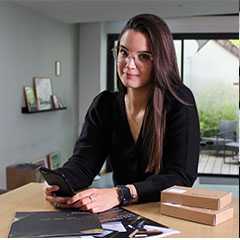
A professional buyer receives, on average, several dozen sales proposals every month. Between product sheets, calls from winemakers and sales representatives, and invitations to tastings, the window for decision-making is tight. Yet most producers continue to send whole bottles. This involves cumbersome, costly and often counterproductive logistics.
With Vinottes, we aren’t replacing the whole bottle, but we’re stepping in at a specific stage of the selection process. Here’s what the data and feedback from wine professionals reveal about the real impact of each format on the purchasing decision.
What ‘deciding to buy’ really means for a professional buyer.
A wine merchant’s or importer’s decision to purchase is not a one-off event. It is a multi-stage process: discovery, organoleptic evaluation, validation of price positioning, and then commercial commitment. At each of these stages, the information requirements differ.
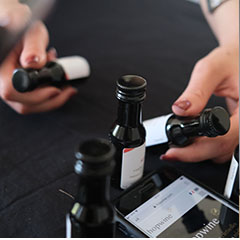
During the discovery phase, the buyer does not need a full bottle to form an initial opinion. They are looking to quickly assess whether the wine or estate meets their criteria: aromatic profile, consistency with other competitors, and price positioning. A 4cl sample is more than sufficient for this stage.
The tangible impact of sampling on the conversion rate
Professionals who have adopted a structured sampling process confirm this: receiving a certified Vinotte before any commercial engagement significantly reduces the time spent on initial sorting. Rather than putting a bottle in the cellar to come back to it later, the sommelier can assess it immediately and respond.
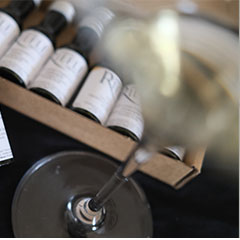
From the producers’ perspective, systematically sending whole bottles entails high logistical costs and a commercial risk: if the wine does not meet expectations, the bottle is often opened and then discarded without being returned.
Whole bottles: when they remain irreplaceable
It would be an oversimplification to present Vinotte sampling as a one-size-fits-all solution. For certain wines and at certain stages of the commercial relationship, the full bottle remains entirely appropriate.
When a relationship with the buyer has already been established, an initial listing has taken place and trust is in place, sending a bottle of a new vintage is no longer a gamble but rather a logical commercial gesture. At this stage, the aim is no longer to convince a stranger but to extend a partnership.
Furthermore, when it comes to a specific cuvée (a highly anticipated vintage, a small-batch single-vineyard wine, a limited edition, etc.), the producer often wishes to present it in its entirety, without any compromise on format. Some wines are also shared amongst the team: including a wine on the by-the-glass list means that the sommelier and the dining room staff must taste it together, as part of a proper service, not from individual samples.
Whether it’s a full bottle or a ‘Vinotte’, the approach is complementary. The certified sample creates the initial connection and establishes the relationship; the full bottle nurtures it and ensures it endures once trust has been built.
The most common mistake in wine sales is still sending the wrong format at the wrong time. Sending a bottle to a contact you barely know is a risky investment, often a wasted one. Sending a sample to the right person to open the door, followed by a bottle of a specific vintage once the relationship is established: that is a sales approach that proceeds in the right order.